Take a look at these interesting findings from this head-to-head comparison between the performance of Ross 308 vs. Hubbard Evolution vs. JV broiler chicken. [Read more…] about Ross 308 vs. Hubbard Evolution vs. JV Broiler (Yield & Tissue Composition)
The Poultry Entrepreneur Blog
(PDF) Broiler Production Record Keeping Template

EXPLAINED: Multi-Flock Layer Farming Rearing Models (1+3 vs. 1+2 vs. 1+1+5)
Today, I’m going to explain how the most common multi-flock layer farming models work.
And I’ll compare the features of each model…
…highlighting their importance for your layer farming business plans.
The aim?
The help you understand the benefits of each.
And make the most profitable decision for your business planning.
Single flock vs. multi-flock system
When rearing layers (and broilers alike) you have two main choices of rearing model.
[I cover this briefly, in this chapter “Projecting Layer Egg Production” of my free poultry farming eBook]
Single flock or multi-flock.
In other words,
a) Rearing one flock at a time on your farm…
…or,
b) rearing more than one flock on your farm, simultaneously.
But why choose one over the other?
Here are the pros and cons of single flock layer farming vs. multi-flock models:
Single-flock layer farming
Pros of single-flock rearing model
- Simplicity:
- one single flock to manage at one time, so all husbandry efforts and focus lay upon one batch of birds ONLY.
- Biosecurity:
- much-reduced chance of cross-contamination. The only scope for cross-infection would be exposing the new entrant flock to contaminants left behind from the old spent flock.
- Lower construction capital cost:
- one poultry house required only. Therefore, you only need to invest in the construction of one house.
- Lower labour overhead:
- only none poultry house to maintain by staff reduces labour burden.
- Lower cleaning cost:
- no duplication of efforts on your farm. In between removing a spent flock and accepting a new flock – you only have one birdhouse to deep clean.
Cons of single flock rearing model
- Production constraints:
- the number of eggs you can produce is hindered by (a) only rearing one flock and (b) the farm’s entire production output being constrained to the hen day egg production of one, single age flock.
- Cash flow interruptions:
- whether you choose to buy point-of-lay birds or day-old chicks, you’ll lose some egg productivity, when the age of the flock is either side of their peak laying potential.
- Delayed ROI:
- with the constraints mentioned above, this model will therefore delay ROI potential in the long run. You simply won’t recoup as much money, as quickly as multi-flock models.
Multi-flock layer farming
Pros of multi-flock rearing model
- Enhanced production:
- more eggs overall, more consistent volumes of production (smoother) – not suffering dips when flocks are either side of their peak laying ages.
- Cash flow consistency:
- smooth cash flow. The volume of eggs available for sale is within a far narrow band of variance.
- Better ROI:
- the mounting investment benefits offer a quicker route to ROI (return on investment).
Cons of multi-flock rearing model
- Complexity:
- you have to manage more than one flock at one time, each having its own distinct needs (also, influenced by age difference).
- Contamination risk:
- there is a cross-contamination risk when holding more than one flock.
- Higher construction capital cost:
- each batch of birds will occupy a separate birdhouse. So, for example, rearing 3 flocks will require you to provide 3 separate birdhouses.
- Higher labour overhead:
- stockmen work most efficiently when the workflow is simplified. The more moving around the site, the less efficient their work and the more labour expense.
- Higher cleaning cost:
- When housing multiple flocks you also multiply your deep cleaning at the ‘end of tenancy’ of a spent flock.
How multi-flock layer farming models work…
Multi-flock layer farming is common practice around the world.
The idea of raising more than one egg-laying flock at one time has its advantages (shown above).
But what are the popular models & how do they ACTUALLY work?
Here is a detailed breakdown:
1+2 Layer farming model
Definition:
- 1 brooder flock – in 1 brooder house
- plus 2 layer flocks – each flock in its own layer house
- So, 3 birdhouses in total
How it works:
- Decide on your batch size…i.e. 1,250 birds per batch, so 2x layer batches = 2,500 layer farm
- You buy your flocks 28 weeks apart.
- New flocks of day-old chicks are introduced into the brooder house
- At point-of lay, the birds are transferred from the brooder house into one of the 2 layer houses
- The process is repeated 28 weeks later plus the weeks until both layer houses are occupied with laying hens (and the brooder house is also occupied)
- This process continues, removing spent hens at 70-74 weeks old (which make way for new point-of-lay grower hens)
1+3 Layer farming model
Definition:
- 1 brooder flock – in 1 brooder house
- plus 3 layer flocks – each flock in its own layer house
- So, 4 birdhouses in total
How it works:
- Decide on your batch size…i.e. 833 birds per batch, so 3x layer batches = 2,499 layer farm
- You buy your flocks 20 weeks apart.
- New flocks of day-old chicks are introduced into the brooder house
- At point-of lay, the birds are transferred from the brooder house into one of the 3 layer houses
- The process is repeated 20 weeks later plus the weeks until both layer houses are occupied with laying hens (and the brooder house is also occupied)
- This process continues, removing spent hens at 70-74 weeks old (which make way for new point-of-lay grower hens)
1+1+5 Layer farming model
Definition:
- 1 brooder flock, in 1 brooder house
- 1 grower flock, in 1 grower house
- plus 5 layer flocks – each flock in its own layer house
- So, 7 birdhouses in total
How it works:
- Decide on your batch size…i.e. 500 birds per batch, so 5x layer batches = 2,500 layer farm
- You buy your flocks 12 weeks apart.
- New flocks of day-old chicks are introduced into the brooder house
- At point-of lay, the birds are transferred from the brooder house into one of the 5 layer houses
- The process is repeated 12 weeks later plus the weeks until all layer houses are occupied with laying hens (and both brooder house and grower house is also occupied)
- This process continues, removing spent hens at 70-74 weeks old (which make way for new point-of-lay grower hens)
Conclusion
As you can probably imagine, the more houses you have – the more eggs your farm will produce.
So, these multi-flock models offer ways of increasing your output.
And they do this whilst keeping your overall layer hen headcount (capacity) the same.
It’s like adding gears to your bicycle.
Makes for a much smoother and easier ride, for the same effort.
Not bad, huh?
Whilst this IS a good introduction to the theory of multi-flock layer farming,
What it doesn’t give you is a factual example of the kind of figures you should expect from these types of strategies.
It lacks some sample numbers to help you build your own plan.
Want to see a sample plan using these models above?
I’ve got just the thing for you.
PPR 2.0 Insider’s Guide.
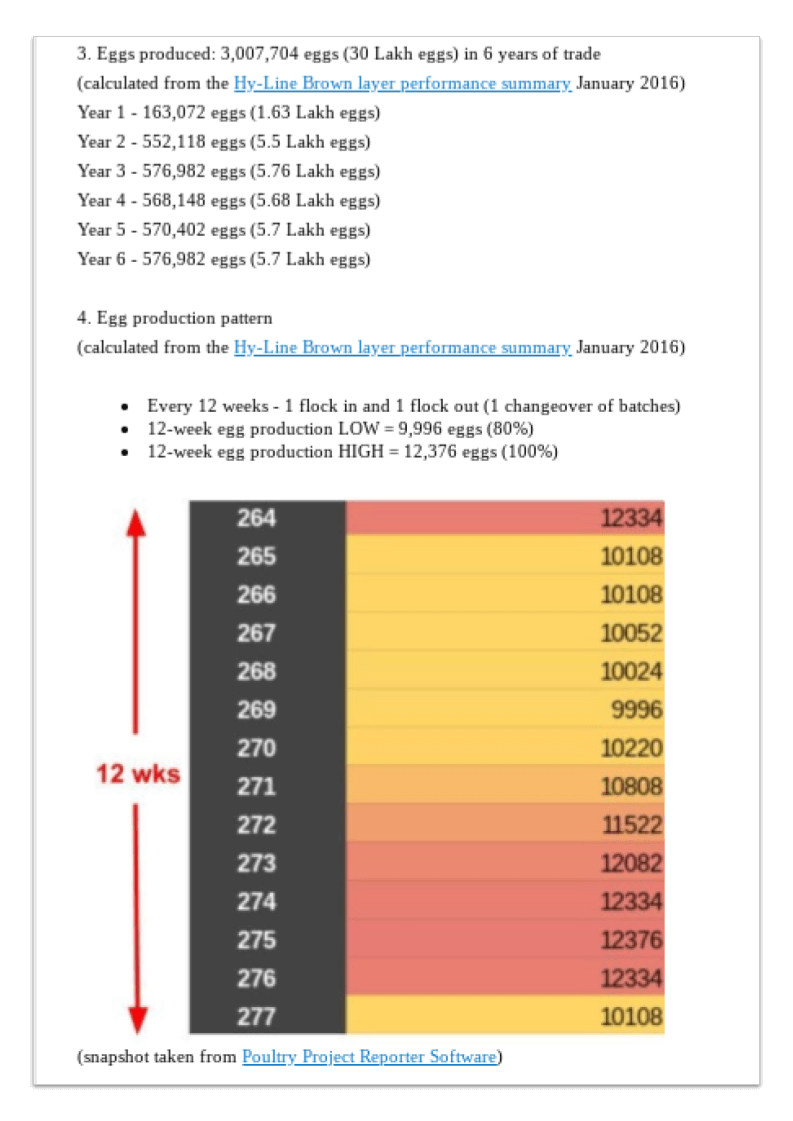
It is the egg by egg, pound by pound sample plan for what kind of output and gross profit these models can give you.
Subscribe now to access The Insider’s Guide for sample multi-flock models to download.
ROI Metrics 500 Bird Layer Farm (South Africa 2021)
Broiler Brooding Best Management Practices
This is a comprehensive guide to broiler brooding best management practices for poultry farmers.
So, if you want to learn all about brooder management – including: [Read more…] about Broiler Brooding Best Management Practices
7 Poultry House Designs From Farms in the Philippines (2021)
Example designs of layer and broiler houses from the Philippines
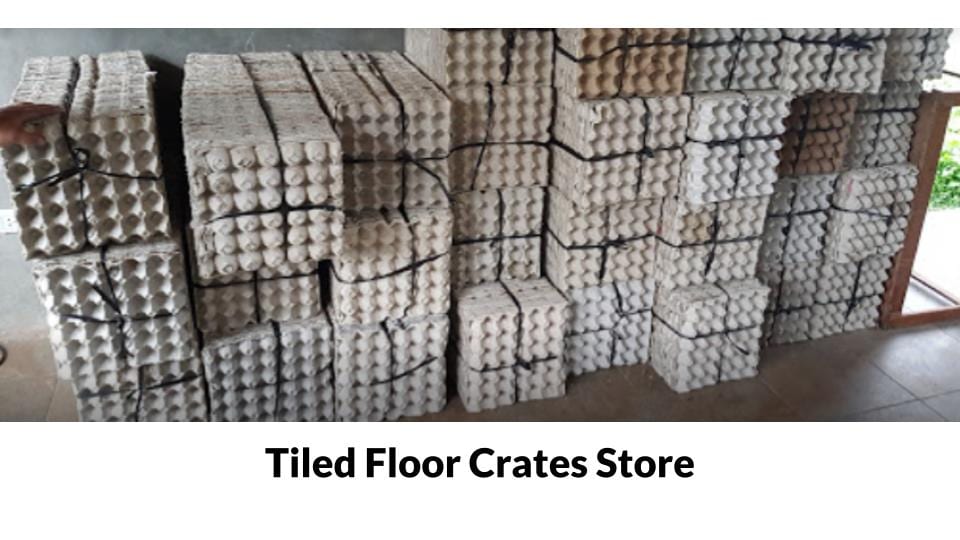
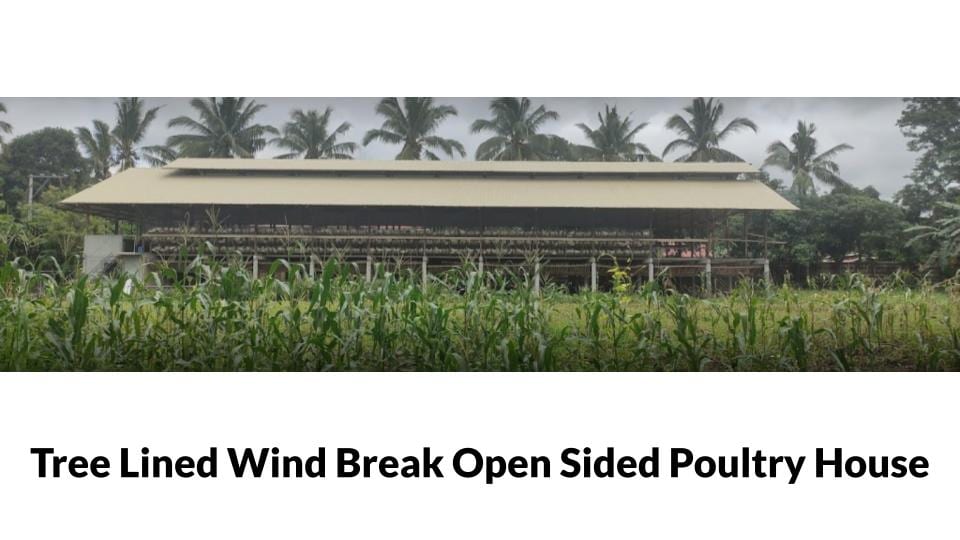
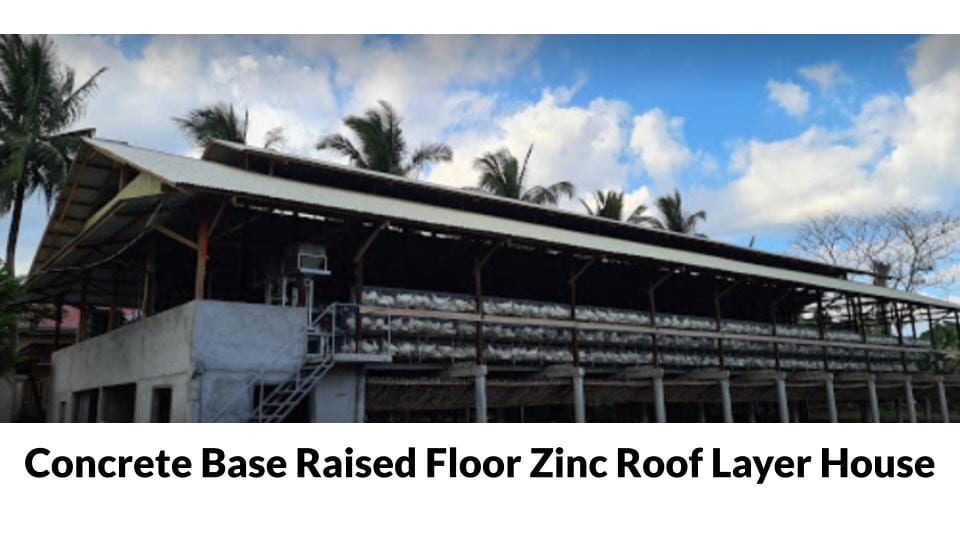
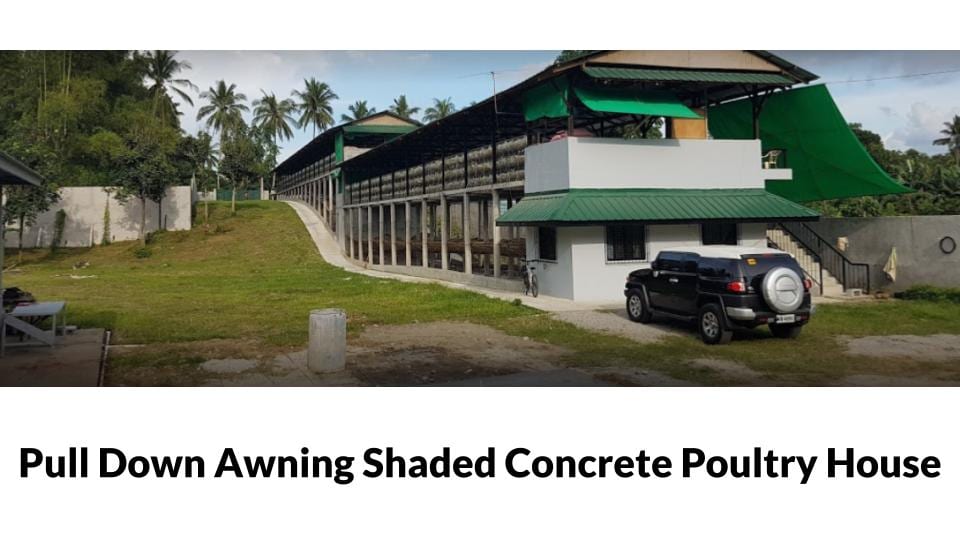
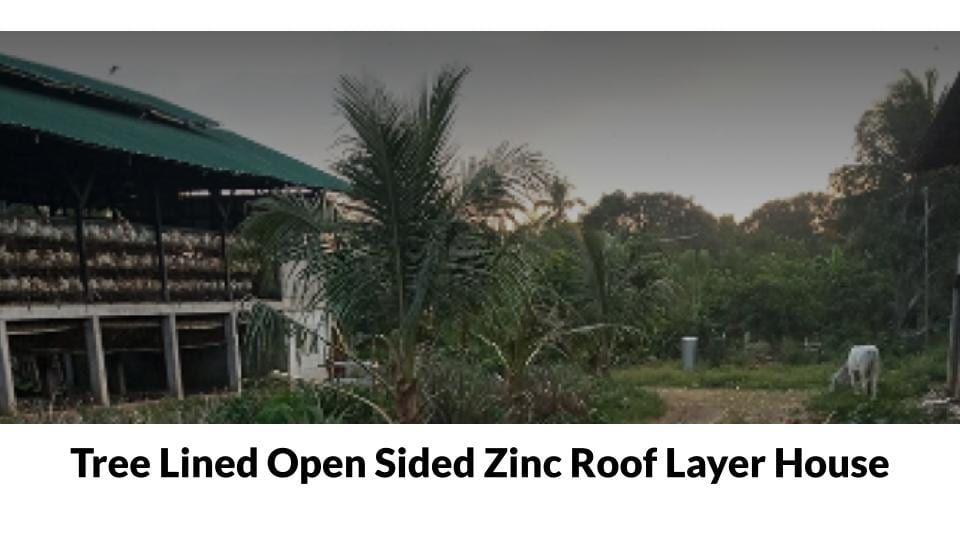
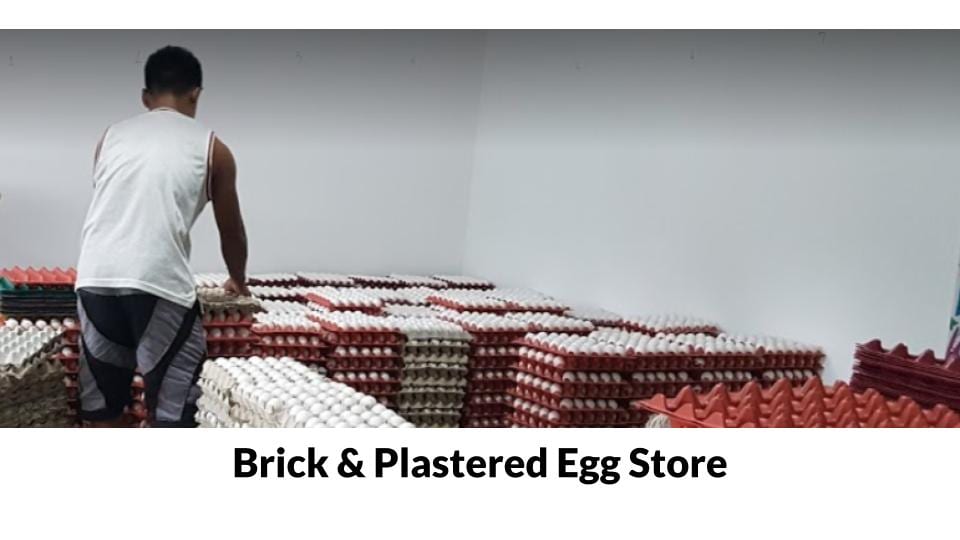
This is a list of poultry farms in the Philippines and their poultry house designs – complete with interior and exterior photos.
I’ve taken a selection of poultry house designs from a variety of farms in the Philippines, showcasing their unique:
- land and site
- materials
- sizes
- systems
- operational use
…and on different types of land, locations just for your interest.
Why?
My hope is they will help you make successful decisions on how to house the flocks on your own farm.
These are only examples and not an exhaustive list by any means.
Rather think of this as a photo scrapbook of example poultry house designs from across the Philippines – from REAL FARMS.
I tried to make them as varied as possible so to help small scale to large commercial start-ups.
(Hope this helps you start up your poultry farm in the Philippines.)
Examples
- JGR Poultry Farm: Bayan ng Santa Fe, 6047 Lalawigan ng Cebu, Philippines. (LINK)
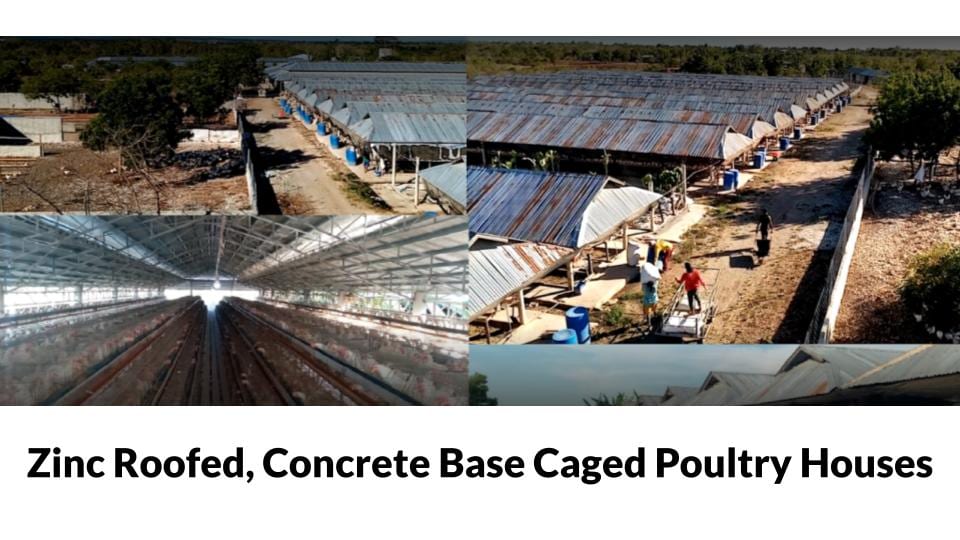
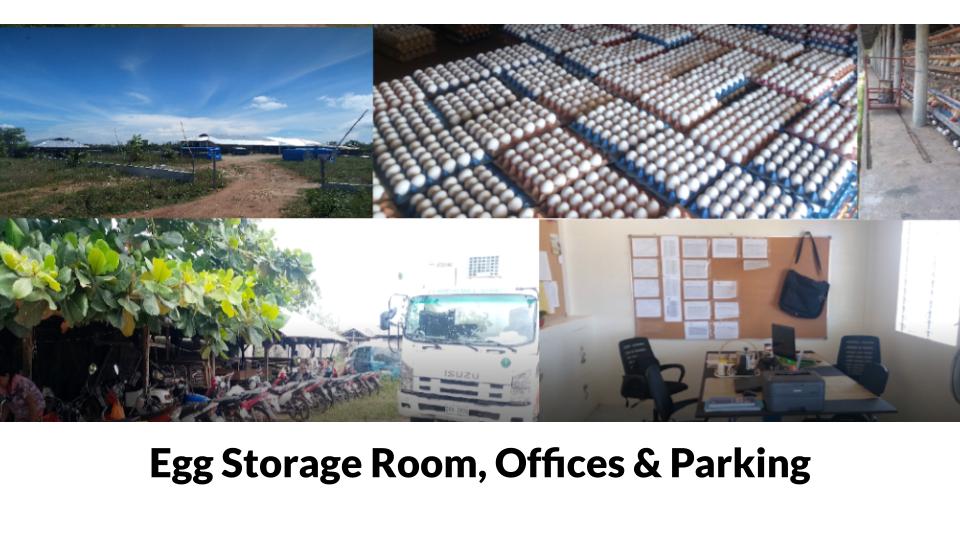
- Viduelle Chicken House: Metro Loft Xavier Condominium, 38 Gen. Juan Gutierez, San Juan, 1502 Metro Manila, Philippines. (LINK)
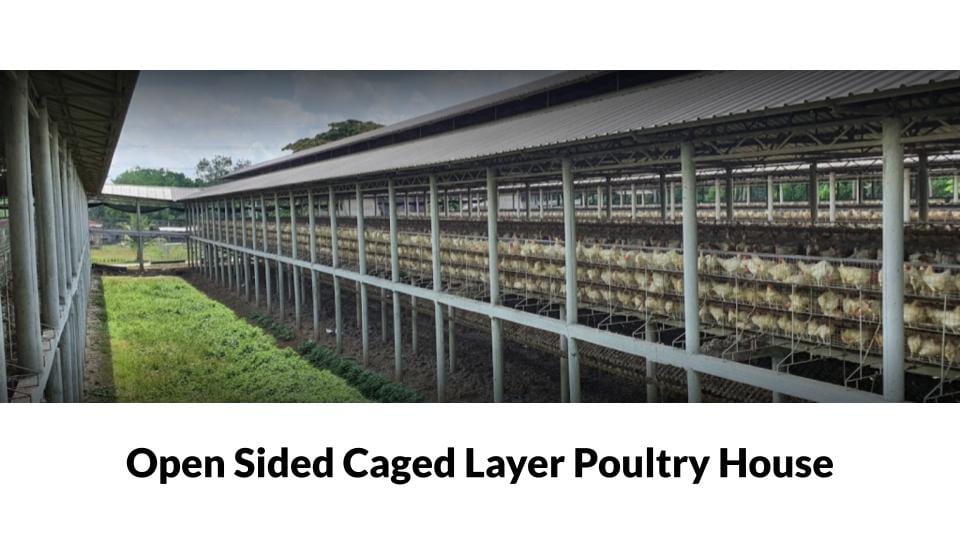
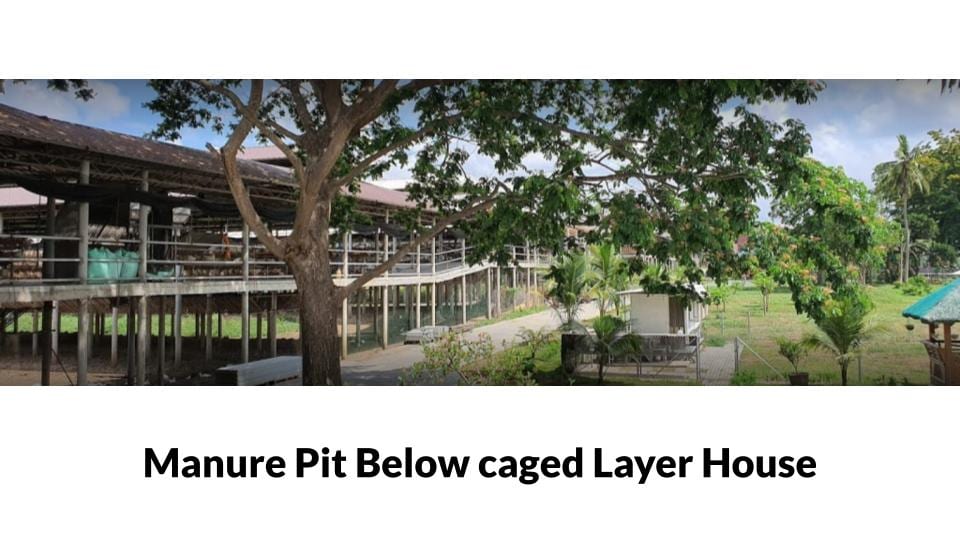
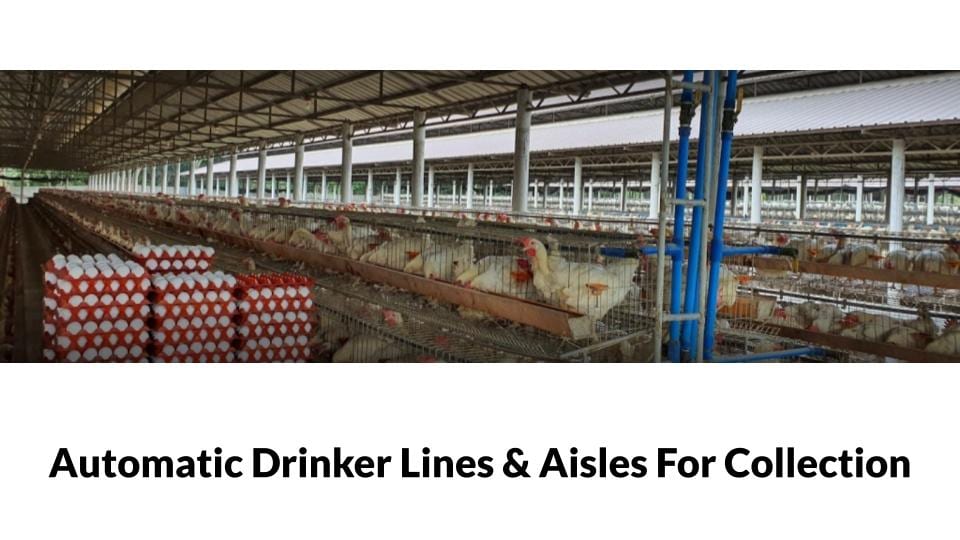
- Fermi Farm – Free Range Chicken: Unnamed Road, Pola, Oriental Mindoro, Philippines. (LINK)
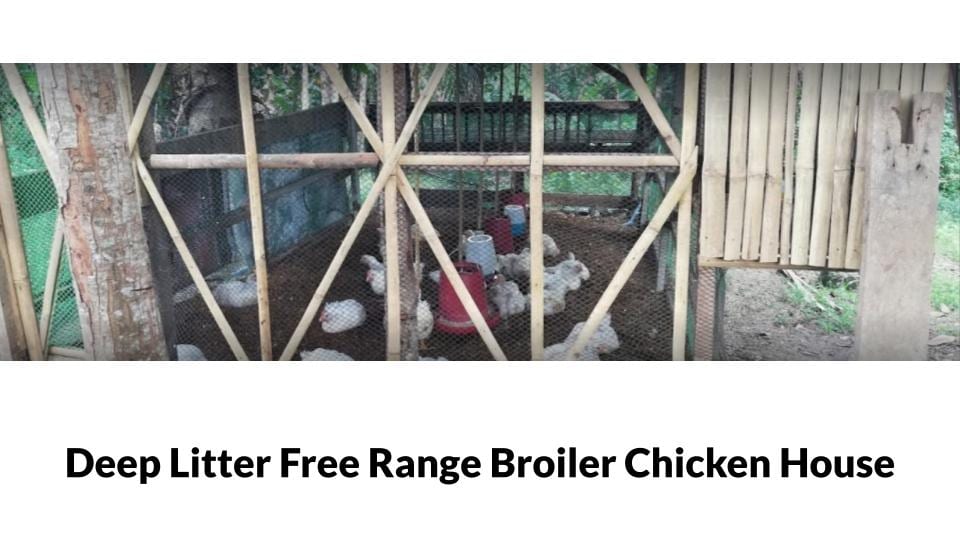
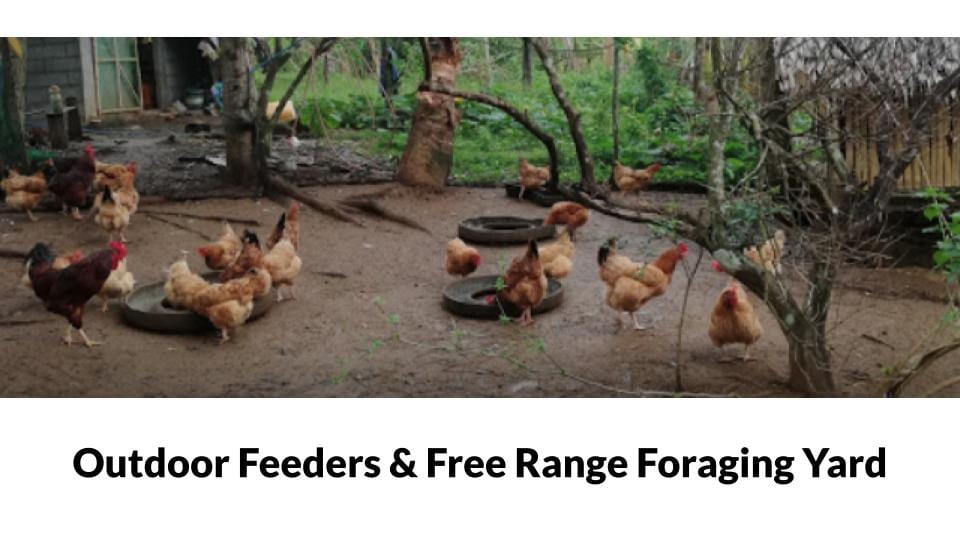
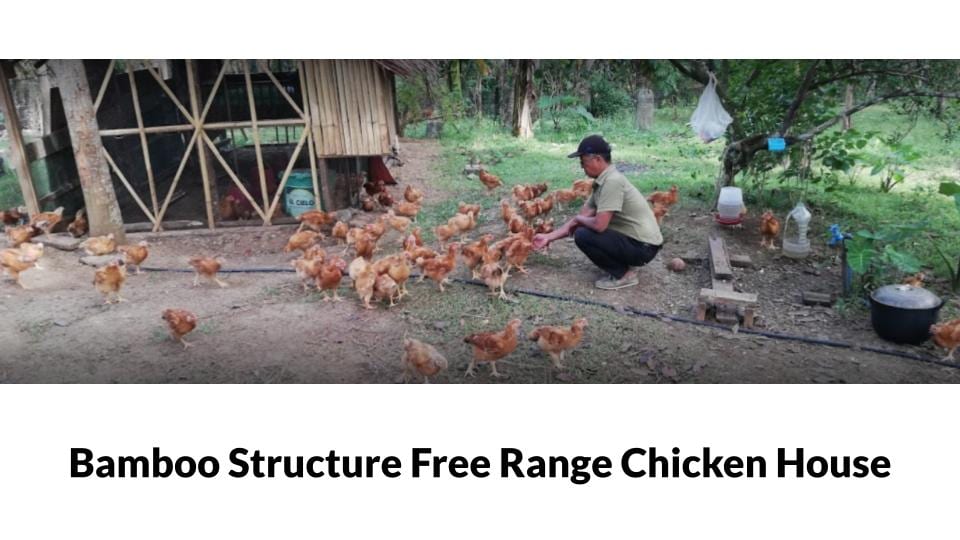
- Cebu Free Range Chicken Farm: Rafael Rabaya Rd, Talisay, 6045 Cebu, Philippines. (LINK)
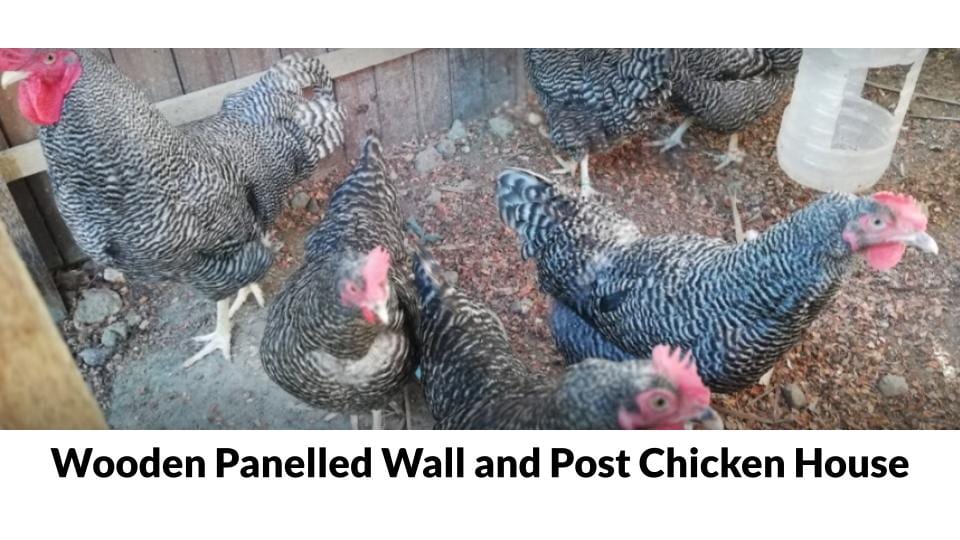
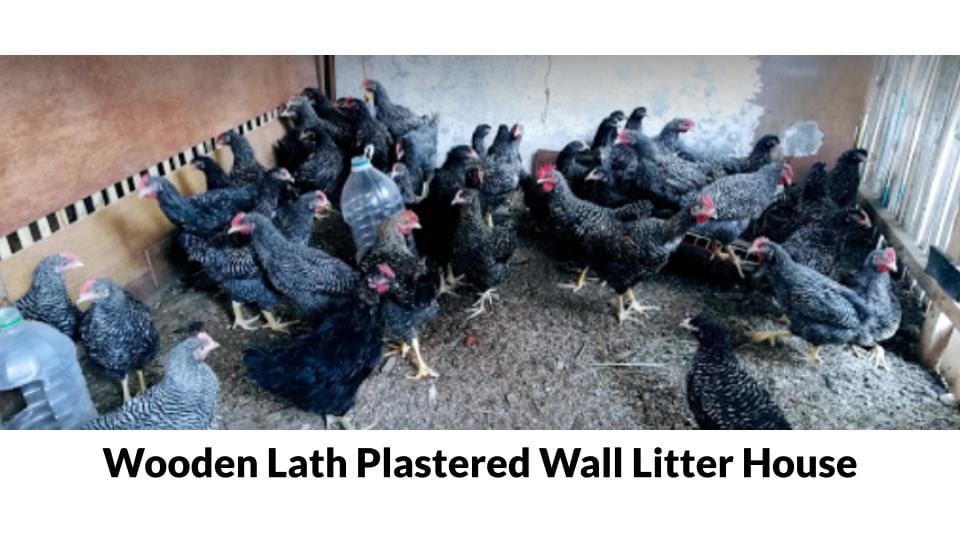
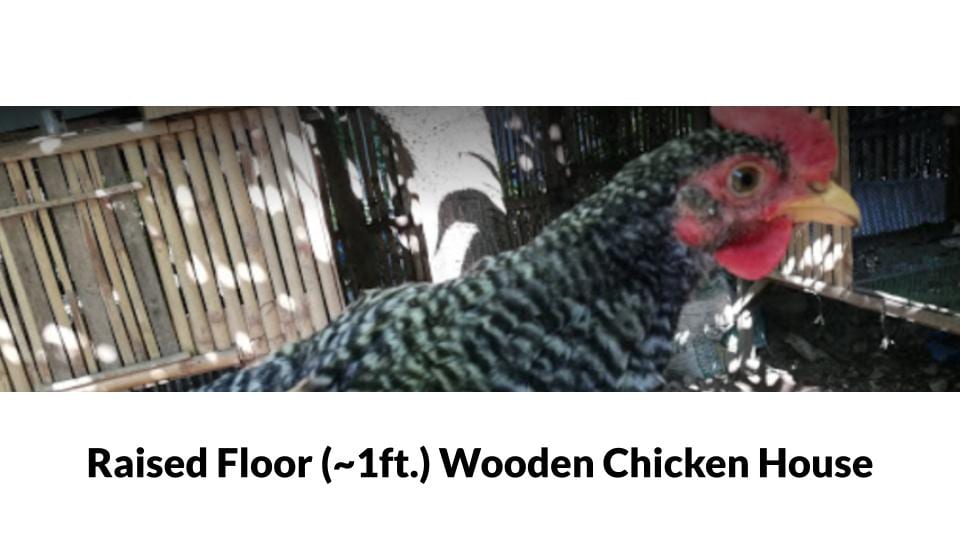
- KLH Poultry Farm: ANUS ROAD, San Jose, 4227 Batangas, Philippines. (LINK)
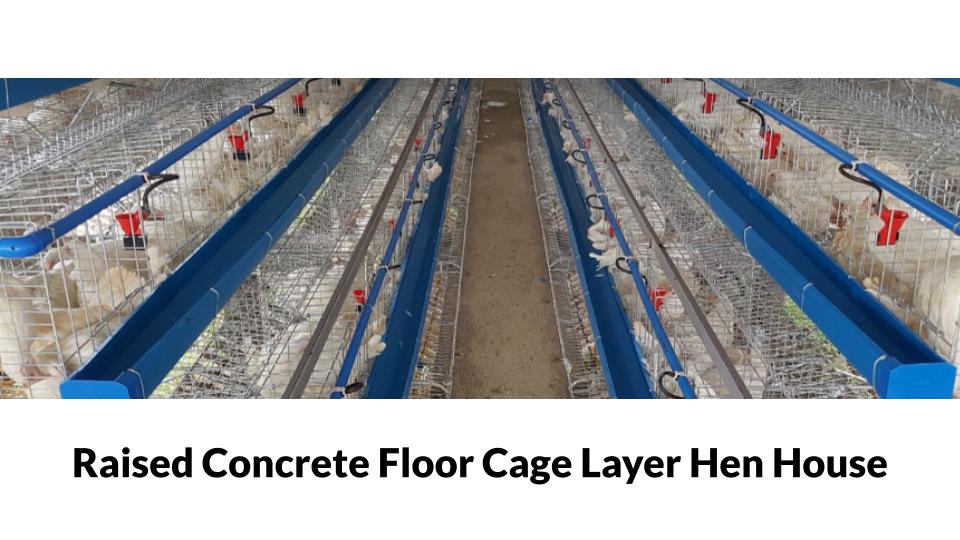
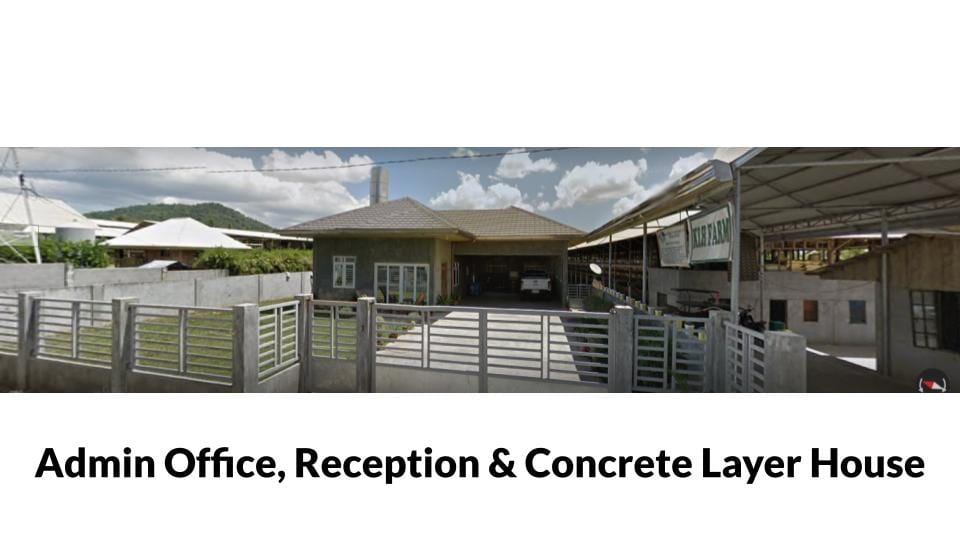
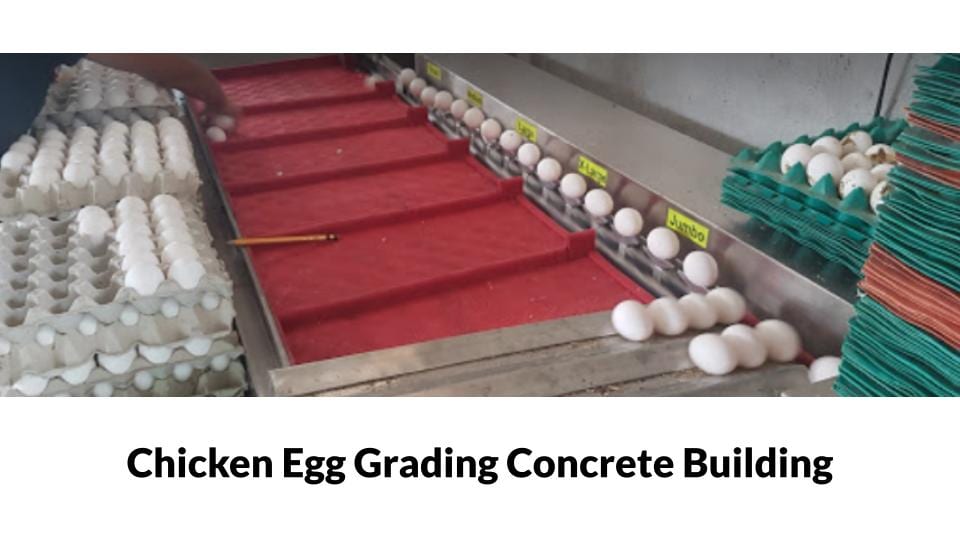
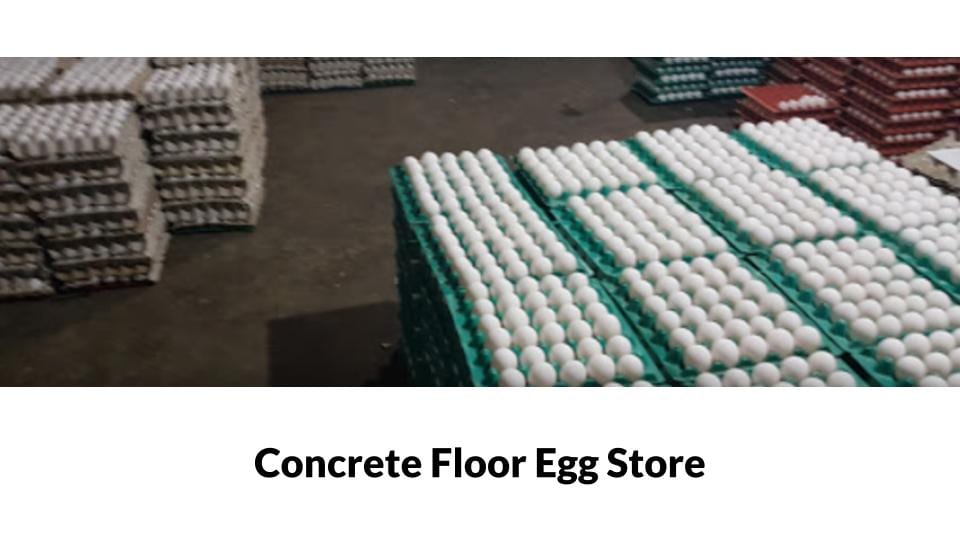
- ENE Poultry Farm: Brgy. Anus Rd, San Jose, Batangas, Philippines. (LINK)
-
JGV FARM SlTIO PULO: San Jose, Batangas, Philippines. (LINK)
Now, over to you…
Are you planning to develop and construct your own poultry house design in the Philippines?
Are you extending your poultry farm capacity and are looking for a few ideas or house plans?
Either way, I’d be interested to hear from you.
Leave me a comment below.